 Skip to content


| Series | Model | Package style | Certification/ | Rated current [A] | Maximum | Supply voltage (V) | Frequency bandwidth | Operating | Linearity (25℃) | Accuracy % (25℃) | Application scenario |
|---|---|---|---|---|---|---|---|---|---|---|---|
| Flux Gate Current Sensor | MCSA-6S/P | 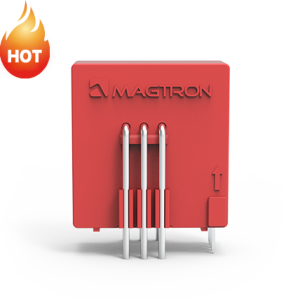 | CE/UL | 6A | 20A | +5V | 200kHz | -40℃~+105℃ | 0.1% | 0.7% | Photovoltaic inverter/industrial equipment |
| MCSA-25S/P | 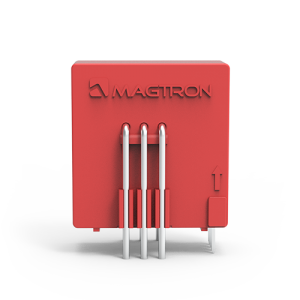 | CE/UL | 25A | 85A | +5V | 200kHz | -40℃~+105℃ | 0.1% | 0.7% | Photovoltaic inverter/industrial equipment | |
| MCSA-50S/P | 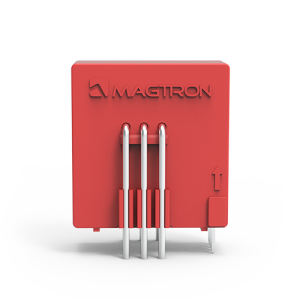 | CE/UL | 50A | 150A | +5V | 200kHz | -40℃~+105℃ | 0.1% | 0.7% | Photovoltaic inverter/industrial equipment | |
| MCSB-100S/P | 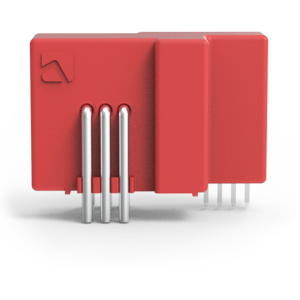 | CE/UL | 100A | 200A | +5V | 100kHz | -40℃~+85℃ | 0.1% | 0.7% | Photovoltaic inverter/industrial equipment | |
| MCSC-200S/NP-D | 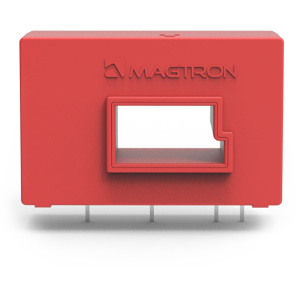 | CE/UL | 200A | 370A | +5V | 100kHz | -40℃~+85℃ | 0.1% | 0.5% | Photovoltaic inverter/industrial equipment | |
| MCSC-200S/P | 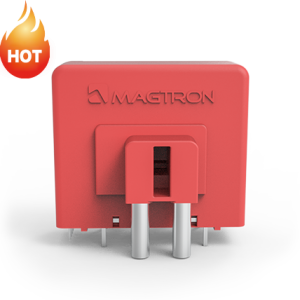 | CE/UL | 200A | 450A | +5V | 200kHz | -40℃~+85℃ | 0.1% | 0.7% | Photovoltaic inverter/industrial equipment | |
| MCSE-75S/P3 | 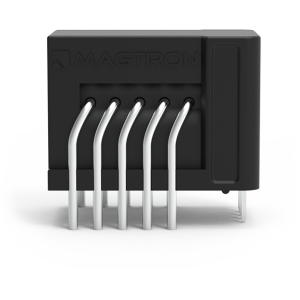 | CE/UL | 75A | 180A | +5V | 300kHz | -40℃~+105℃ | 0.1% | 0.8% | Photovoltaic inverter/industrial equipment | |
| MCSE-50S/P2 | 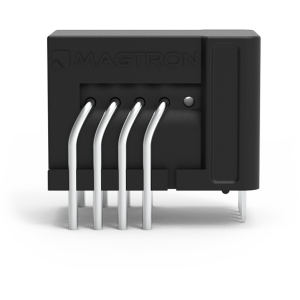 | CE/UL | 50A | 150A | +5V | 300kHz | -40℃~+105℃ | 0.1% | 0.8% | Photovoltaic inverter/industrial equipment | |
| MCSE-25S/P1 | 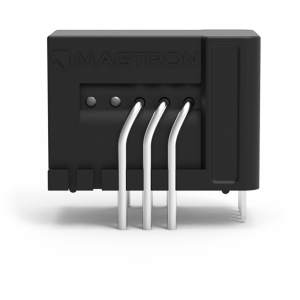 | CE/UL | 25A | 85A | +5V | 300kHz | -40℃~+105℃ | 0.1% | 0.8% | Photovoltaic inverter/industrial equipment | |
| MCSE-25S/P2 | 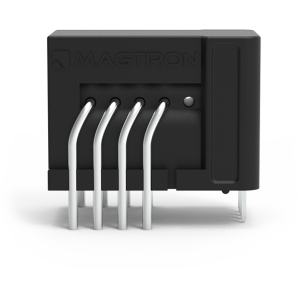 | CE/UL | 25A | 85A | +5V | 300kHz | -40℃~+105℃ | 0.1% | 0.8% | Photovoltaic inverter/industrial equipment | |
| MCSE-50S/P1 | 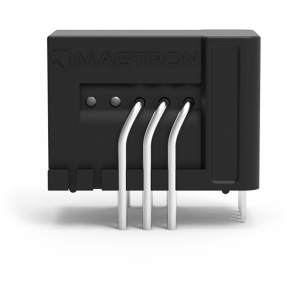 | CE/UL | 50A | 150A | +5V | 300kHz | -40℃~+105℃ | 0.1% | 0.8% | Photovoltaic inverter/industrial equipment | |
| MCSC-200S/NP | 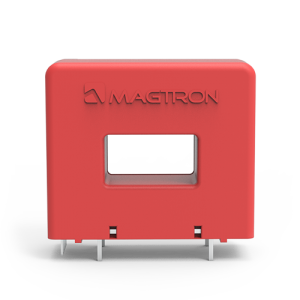 | CE/UL | 200A | 450A | +5V | 200kHz | -40℃~+85℃ | 0.1% | 0.7% | Photovoltaic inverter/industrial equipment |
| Series | Model | Package style | Rated current [A] | Maximum | Supply voltage (V) | Frequency bandwidth | Operating | Linearity (25℃) | Accuracy % (25℃) | Application |
|---|---|---|---|---|---|---|---|---|---|---|
Hall Closed Loop Current Sensor | MCSC-100 S/NP-H | 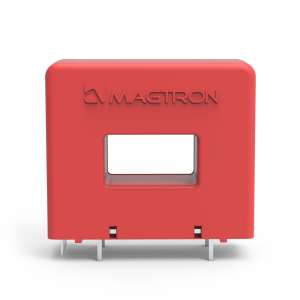 | 100A | 300A | +5V | 200kHz | -40℃~+85℃ | 0.2% | 0.8% | Photovoltaic inverter/industrial equipment |
| MCSC-150 S/NP-H | 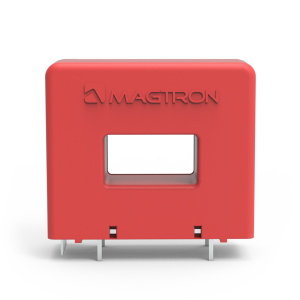 | 150A | 450A | +5V | 200kHz | -40℃~+85℃ | 0.2% | 0.8% | Photovoltaic inverter/industrial equipment | |
| MCSC-200 S/NP-H | 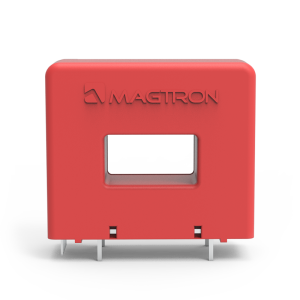 | 200A | 600A | +5V | 200kHz | -40℃~+85℃ | 0.2% | 0.8% | Photovoltaic inverter/industrial equipment | |
| MCSC-250 S/NP-H | 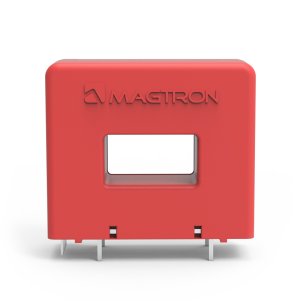 | 250A | 600A | +5V | 200kHz | -40℃~+85℃ | 0.2% | 0.8% | Photovoltaic inverter/industrial equipment | |
| MCSC-300 S/NP-H | 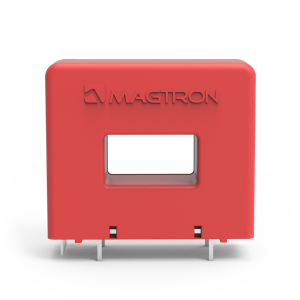 | 300A | 600A | +5V | 200kHz | -40℃~+85℃ | 0.2% | 0.8% | Photovoltaic inverter/industrial equipment | |
| MCSC-100 S/P-H | 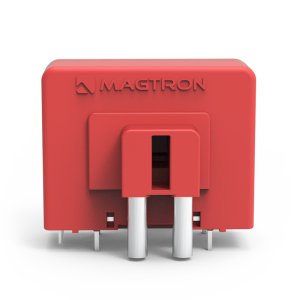 | 100A | 300A | +5V | 200kHz | -40℃~+85℃ | 0.2% | 0.8% | Photovoltaic inverter/industrial equipment | |
| MCSC-150 S/P-H | 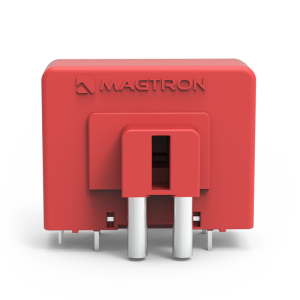 | 150A | 450A | +5V | 200kHz | -40℃~+85℃ | 0.2% | 0.8% | Photovoltaic inverter/industrial equipment | |
| MCSC-200 S/P-H | 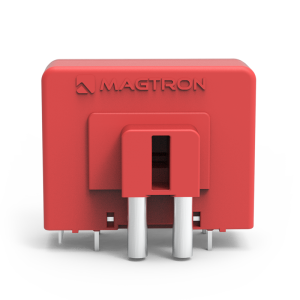 | 200A | 450A | +5V | 200kHz | -40℃~+85℃ | 0.2% | 0.8% | Photovoltaic inverter/industrial equipment | |
| MCSC-250 S/P-H | 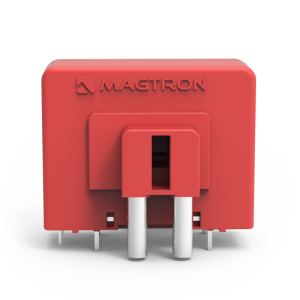 | 250A | 450A | +5V | 200kHz | -40℃~+85℃ | 0.2% | 0.8% | Photovoltaic inverter/industrial equipment | |
| MCSC-300 S/P-H | 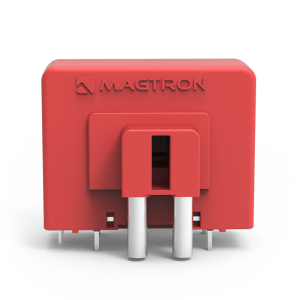 | 300A | 450A | +5V | 200kHz | -40℃~+85℃ | 0.2% | 0.8% | Photovoltaic inverter/industrial equipment |
| Series | Model | Package style | Rated current [A] | Maximum | Supply voltage (V) | Frequency bandwidth | Operating | Linearity (25℃) | Accuracy % (25℃) | Application |
|---|---|---|---|---|---|---|---|---|---|---|
| Hall Open Loop Current Sensor | MG20RAG |  | 20A | 50A | +5V | 200kHz | -40℃~+105℃ | 0.5% | 1% | Combiner box/inverter |
| MG32RAG |  | 32A | 80A | +5V | 200kHz | -40℃~+105℃ | 0.5% | 1% | Combiner box/inverter | |
| MG50RAG |  | 50A | 125A | +5V | 200kHz | -40℃~+105℃ | 0.5% | 1% | Combiner box/inverter | |
| MG80RAG |  | 80A | 200A | +5V | 150kHz | -40℃~+105℃ | 0.5% | 1% | Combiner box/inverter | |
| MG100RAG |  | 100A | 250A | +5V | 150kHz | -40℃~+105℃ | 0.5% | 1% | Combiner box/inverter | |
| MG120RAG |  | 120A | 300A | +5V | 150kHz | -40℃~+105℃ | 0.5% | 1% | Combiner box/inverter | |
| MG150RAG |  | 150A | 375A | +5V | 150kHz | -40℃~+105℃ | 0.5% | 1% | Combiner box/inverter | |
| MG180RAG |  | 180A | 450A | +5V | 150kHz | -40℃~+105℃ | 0.5% | 1.5% | Combiner box/inverter | |
| MC20 | 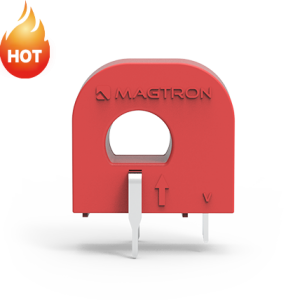 | 10A | 20A | +5V | 80kHz | -40℃~+85℃ | 0.4% | 1% | Combiner box/industrial equipment | |
| MC25 | 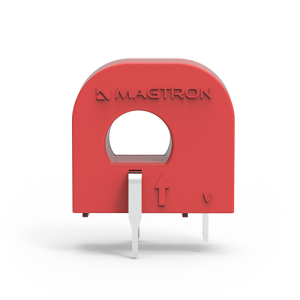 | 12.5A | 25A | +5V | 80kHz | -40℃~+85℃ | 0.4% | 1% | Combiner box/industrial equipment | |
| MC45 | 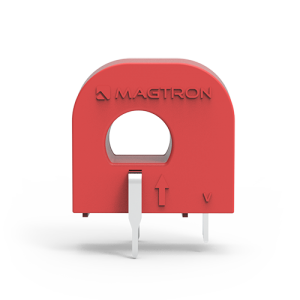 | 22.5A | 45A | +5V | 80kHz | -40℃~+85℃ | 0.4% | 1% | Combiner box/industrial equipment | |
| ME2-20 |  | 10A | 20A | +5V | 80kHz | -40℃~+85℃ | 0.4% | 1% | Combiner box/industrial equipment | |
| ME2-25 | 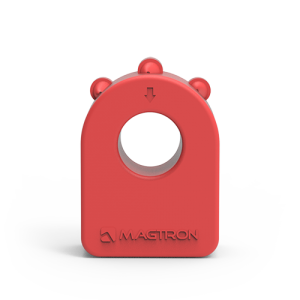 | 12.5A | 25A | +5V | 80kHz | -40℃~+85℃ | 0.4% | 1% | Combiner box/industrial equipment | |
| ME2-40 | 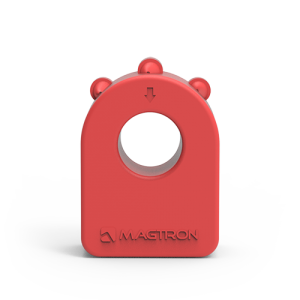 | 20A | 40A | +5V | 80kHz | -40℃~+85℃ | 0.4% | 1% | Combiner box/industrial equipment |


Magtron’s closed-loop fluxgate current sensors represent the pinnacle of accuracy and stability
in current measurement. Based on Magtron’s proprietary Closed-loop iFluxgate® technology, these sensors use a magnetic fluxgate principle with active feedback to nullify magnetic flux, achieving extremely low offset and drift over time and temperature. The result is exceptional measurement precision (on the order of 0.7–0.8% accuracy) even at very low currents, which is critical for applications like battery state-of-charge monitoring and precision power metering. Closed-loop fluxgate sensors maintain excellent linearity and virtually zero hysteresis, making them ideal for detecting small current changes superimposed on large currents. They also offer relatively high bandwidth (up to hundreds of kHz), enabling them to accurately capture fast-changing currents in switching power converters. Magtron’s iFluxgate sensors are built in compact PCB-mount packages, so despite their advanced technology they occupy minimal space and are convenient to integrate. These high-performance sensors are widely used in demanding systems – solar inverters, variable-frequency drives, servo motor drives, UPS systems, switching power supplies, and other applications requiring top-tier accuracy and stability.
Magtron’s closed-loop fluxgate current sensors represent the pinnacle of accuracy and stability
in current measurement. Based on Magtron’s proprietary Closed-loop iFluxgate® technology, these sensors use a magnetic fluxgate principle with active feedback to nullify magnetic flux, achieving extremely low offset and drift over time and temperature. The result is exceptional measurement precision (on the order of 0.7–0.8% accuracy) even at very low currents, which is critical for applications like battery state-of-charge monitoring and precision power metering. Closed-loop fluxgate sensors maintain excellent linearity and virtually zero hysteresis, making them ideal for detecting small current changes superimposed on large currents. They also offer relatively high bandwidth (up to hundreds of kHz), enabling them to accurately capture fast-changing currents in switching power converters. Magtron’s iFluxgate sensors are built in compact PCB-mount packages, so despite their advanced technology they occupy minimal space and are convenient to integrate. These high-performance sensors are widely used in demanding systems – solar inverters, variable-frequency drives, servo motor drives, UPS systems, switching power supplies, and other applications requiring top-tier accuracy and stability.
Closed-loop Hall effect current sensors are a core offering in Magtron’s lineup, combining the reliability of Hall sensing with the accuracy boost of an active feedback loop. In these sensors, a Hall effect element senses the magnetic field from the current, and a secondary compensation coil drives the field towards zero (closing the loop). This design greatly improves linearity and accuracy compared to simple Hall devices. Magtron’s closed-loop Hall series (branded with Closed-loop Hall® technology) achieves current detection accuracy on the order of 8 ‰ (0.8%), rivaling fluxgate performance for many applications. They also exhibit low zero offset drift and low temperature drift, ensuring the sensor’s output remains stable over a wide temperature range and long-term operation. The bandwidth is typically up to 200 kHz or more fast enough for monitoring high-frequency inverter currents and transient faults. These sensors come in compact, PCB-mounted packages with built-in primary conductors, which simplifies installation in dense power electronics layouts. The closed-loop Hall sensors are known for being easy to install and having small footprint and weight, while still providing high precision and rapid response. They are used broadly in renewable energy and industrial systems – for example, photovoltaic inverters, motor drives, UPS units, SMPS power supplies, and many other applications where a balance of high accuracy and cost-effectiveness is desired. Notably, Magtron’s closed-loop Hall sensors are board-mountable and often serve as drop-in upgrades or replacements for legacy Hall sensor units, offering improved performance without redesigning the entire system.
Open-loop Hall effect current sensors from Magtron provide an excellent solution for applications requiring a simple, economical, yet fairly accurate current measurement. These devices use Magtron’s Quadcore® technology – a proprietary high-performance Hall sensor System-on-Chip (SoC) – to significantly enhance the precision and stability of open-loop sensors. In an open-loop design, the Hall element directly measures the magnetic field from the current and outputs a proportional signal without a secondary feedback coil. Magtron’s Quadcore® SoC employs advanced techniques (such as multiple Hall elements and amplification on-chip) to achieve high precision and linear output over the full operating temperature range. As a result, the accuracy can reach around 1% of reading at room temperature, which is outstanding for open-loop sensors and sufficient for many use cases. These sensors also feature a fast response time and wide bandwidth (typically around 50–100 kHz or higher depending on the model), allowing them to track dynamic currents in power converters and motor drives. One of the key advantages of open-loop Hall sensors is their simplicity and compact size. Magtron’s open-loop devices are designed as PCB-mounted modules with robust fixed pins – essentially plug-and-play components that require only a single low-voltage supply (often 5 V). This makes integration very straightforward, and the sensors introduce virtually no insertion loss to the circuit (they simply clip or surround the conductor). The cost is lower than closed-loop types because there are fewer components (no compensation coil or amplifier driving electronics), which is attractive for high-volume or cost-sensitive designs. Thanks to the Quadcore® technology, Magtron’s open-loop Hall sensors maintain excellent linearity (around 0.4%) and stability, and can operate reliably across a broad temperature range (industrial and even automotive environments). These sensors are well-suited for applications like photovoltaic combiner boxes, solar inverters, servo drives, power supplies, and general industrial equipment where moderate accuracy is acceptable in exchange for maximum simplicity and size/cost efficiency.
 Magtron’s CSM series current sensors are specialized closed-loop fluxgate sensors designed for high-current applications in electric vehicle and energy storage systems. These are robust, module-style sensors (in a closed plastic enclosure with a large aperture) that can measure currents up to ±1500 A or more with exceptional accuracy and safety. The CSM series employs Magtron’s iFluxgate® technology to achieve ultra-low zero offset and high precision even at very large currents. For instance, the sensors maintain around 0.5% accuracy over a wide current range (e.g. 100 A to 500 A or higher) while offering linearity errors as low as 0.1–0.2%. Each CSM sensor provides complete galvanic isolation between the primary bus bar and the measurement output, and features “unlimited” overcurrent capability – meaning it can tolerate extreme surge currents without damage or loss of measurement (an important feature for systems that must handle short-term fault currents). Uniquely, the CSM series outputs data via a high-speed CAN bus interface (500 kbps) instead of an analog signal. This digital output with a configurable CAN ID allows easy integration into modern battery management systems (BMS) and energy management networks, enabling real-time current monitoring and diagnostics over the CAN network. The CSM sensors are automotive-grade in design, built to meet stringent vehicle standards for shock, vibration, and temperature (-40 to +85 °C operating range). They carry relevant safety certifications (such as CE, UL, and others) and help customers improve system safety while reducing installation costs by combining high accuracy sensing with a ready-to-use digital interface. Typical use cases for the CSM series include electric vehicle battery packs (Battery Management System current sensing), EV power distribution units (PDUs), battery disconnect units (BDUs), and high-voltage distribution boxes in energy storage systems. In these scenarios, the CSM modules allow precise monitoring of charge and discharge currents, contributing to smarter and safer battery operation (for example, enabling accurate state-of-charge calculations and early detection of overload or fault conditions).
Magtron’s current sensor portfolio is distinguished not only by the variety of technologies but also by the  consistently high performance and innovative features across all products. Some of the key technical advantages and proprietary innovations include:
Outstanding Accuracy and Low Drift
All Magtron sensors are engineered for high accuracy – with closed-loop devices achieving well below 1% error, and even open-loop models around 1%. The use of iFluxgate® and advanced Hall SoC technology virtually eliminates offset drift over temperature, ensuring stable readings from -40 °C to +85 °C and beyond. This low drift performance is crucial for applications like energy metering and battery management that demand long-term precision.
High Bandwidth & Fast Response
Magtron sensors offer wide frequency bandwidths, allowing them to capture fast transient currents and high-frequency signals. Closed-loop Hall and fluxgate models provide bandwidths in the hundreds of kilohertz range (200–300 kHz), while open-loop Hall devices still offer tens of kHz, suitable for typical inverter switching frequencies. The sensors’ rapid response ensures that control systems can react quickly to overloads or changing load conditions, improving overall system stability and protection.
Galvanic Isolation for Safety
Every Magtron current sensor provides complete galvanic isolation between the measured circuit and the output signal. This means high voltages or transients in the primary circuit are fully isolated from the low-voltage side, protecting sensitive control electronics and operators. The isolation also allows measurement of currents in high-voltage domains (such as EV batteries or grid-tied solar inverters) without directly exposing instrumentation to dangerous voltages.

Strong EMI Immunity and Reliability
The sensors are designed to operate reliably in noisy electrical environments. For example, the closed-loop fluxgate and Hall units inherently cancel out external magnetic interference by maintaining zero flux, and the open-loop Hall sensors leverage the
Quadcore® chip’s filtering and stability features. Magtron products also undergo rigorous testing for electromagnetic compatibility (EMC) and have strong anti-interference ability against external fields. Industrial and automotive users can trust these sensors to deliver stable readings even alongside high-power switching devices.
Minimal Insertion Loss
Magtron current sensors are non-intrusive by design – the primary current passes through a built-in conductor or aperture with very low resistance. This results in negligible power loss and virtually no heat generation from the sensor itself. For designers, this means you can add current sensing to a system without impacting its efficiency or thermal performance in any significant way.
Compact, Easy Integration
Whether it’s a tiny PCB-mounted sensor (some Magtron devices can measure tens of amps in packages only a few centimeters in size) or a larger module for bus bars, installation is straightforward. Most models feature simple through-hole pin mounting or bolt-on designs and require only a single supply voltage. The compact, modular form factors and standard connectors (for module types like CSM) simplify retrofits and new designs alike. In many cases, Magtron sensors are pin-to-pin compatible with other industry standard sensors, easing the substitution or upgrade process.
Proprietary Technologies
Magtron’s iFluxgate® and Quadcore® technologies are results of the company’s in-house innovation. iFluxgate® fluxgate chips enable the ultra-precise closed-loop sensors, while Quadcore® Hall SoC integrates multiple Hall sensing elements and processing logic onto a single chip. These technologies give Magtron control over the entire sensor performance equation – from custom magnetic core design to signal conditioning – yielding a level of optimization and differentiation that off-the-shelf components cannot match.
Magtron’s current sensor portfolio is distinguished not only by the variety of technologies but also by the consistently high performance and innovative features across all products. Some of the key technical advantages and proprietary innovations include:
Outstanding Accuracy and Low Drift
All Magtron sensors are engineered for high accuracy – with closed-loop devices achieving well below 1% error, and even open-loop models around 1%. The use of iFluxgate® and advanced Hall SoC technology virtually eliminates offset drift over temperature, ensuring stable readings from -40 °C to +85 °C and beyond. This low drift performance is crucial for applications like energy metering and battery management that demand long-term precision.
High Bandwidth & Fast Response
Magtron sensors offer wide frequency bandwidths, allowing them to capture fast transient currents and high-frequency signals. Closed-loop Hall and fluxgate models provide bandwidths in the hundreds of kilohertz range (200–300 kHz), while open-loop Hall devices still offer tens of kHz, suitable for typical inverter switching frequencies. The sensors’ rapid response ensures that control systems can react quickly to overloads or changing load conditions, improving overall system stability and protection.
Galvanic Isolation for Safety
Every Magtron current sensor provides complete galvanic isolation between the measured circuit and the output signal. This means high voltages or transients in the primary circuit are fully isolated from the low-voltage side, protecting sensitive control electronics and operators. The isolation also allows measurement of currents in high-voltage domains (such as EV batteries or grid-tied solar inverters) without directly exposing instrumentation to dangerous voltages.
Strong EMI Immunity and Reliability
The sensors are designed to operate reliably in noisy electrical environments. For example, the closed-loop fluxgate and Hall units inherently cancel out external magnetic interference by maintaining zero flux, and the open-loop Hall sensors leverage the
Quadcore® chip’s filtering and stability features. Magtron products also undergo rigorous testing for electromagnetic compatibility (EMC) and have strong anti-interference ability against external fields. Industrial and automotive users can trust these sensors to deliver stable readings even alongside high-power switching devices.
Minimal Insertion Loss
Magtron current sensors are non-intrusive by design – the primary current passes through a built-in conductor or aperture with very low resistance. This results in negligible power loss and virtually no heat generation from the sensor itself. For designers, this means you can add current sensing to a system without impacting its efficiency or thermal performance in any significant way.
Compact, Easy Integration
Whether it’s a tiny PCB-mounted sensor (some Magtron devices can measure tens of amps in packages only a few centimeters in size) or a larger module for bus bars, installation is straightforward. Most models feature simple through-hole pin mounting or bolt-on designs and require only a single supply voltage. The compact, modular form factors and standard connectors (for module types like CSM) simplify retrofits and new designs alike. In many cases, Magtron sensors are pin-to-pin compatible with other industry standard sensors, easing the substitution or upgrade process.
Proprietary Technologies
Magtron’s iFluxgate® and Quadcore® technologies are results of the company’s in-house innovation. iFluxgate® fluxgate chips enable the ultra-precise closed-loop sensors, while Quadcore® Hall SoC integrates multiple Hall sensing elements and processing logic onto a single chip. These technologies give Magtron control over the entire sensor performance equation – from custom magnetic core design to signal conditioning – yielding a level of optimization and differentiation that off-the-shelf components cannot match.
 Magtron current sensors are widely adopted across electric vehicle infrastructure, renewable energy systems, and industrial power equipment. Their blend of accuracy, speed, and safety makes them a perfect fit for today’s cutting-edge power conversion and battery management applications. In particular, Magtron’s products target the needs of EV charging stations, photovoltaic (solar) inverters, and battery energy storage systems, among other industries:
Electric Vehicle Charging Stations
Fast chargers and home EV charging points rely on precise current sensing for both billing accuracy and safety. Magtron current sensors monitor the AC or DC output current delivered to the vehicle, enabling accurate energy metering and ensuring the charger shuts off in overcurrent or fault conditions. In EV chargers, Magtron sensors (often paired with residual current monitors) help meet strict safety standards by detecting any abnormal current flow. Their high bandwidth and response speed are crucial for power-electronics-based chargers that rapidly adjust output levels. Rugged design and full isolation allow Magtron sensors to operate reliably in outdoor charging stations, which face voltage surges and extreme temperatures.
Photovoltaic (PV) Inverters
Solar inverters convert DC power from solar panels into AC power for the grid or home, a process that demands tight current control and monitoring. Magtron’s Hall and fluxgate sensors are used on the DC input side to track panel output current and on the AC output side to measure delivered power. High accuracy is important for maximum power point tracking and energy yield calculations, while fast response is needed to protect the inverter from short-circuits or rapidly varying loads. The sensors’ high linearity and low temperature drift ensure that even as the sun’s intensity and panel output fluctuate throughout the day, the inverter’s readings remain stable. Moreover, their compact PCB footprint fits neatly into space-constrained inverter designs, and the strong EMC immunity is advantageous given the electrical noise in high-frequency inverter circuits.
Battery Energy Storage Systems (ESS)
In energy storage installations – ranging from residential battery packs to large-scale grid batteries – current sensors are vital for managing charge and discharge cycles. Magtron provides solutions for both battery management system (BMS) current sensing and power conversion. In a BMS, a sensor like the CSM series can measure the large currents flowing into or out of the battery bank with extreme accuracy. This data allows the BMS to balance state-of-charge among cells, calculate available energy, and detect any overcurrent situations that could indicate a fault. Meanwhile, on the power conversion side (battery inverters or converters), Magtron’s fast-response sensors enable active control of battery charging and grid feed-in, helping maintain stability and efficiency. Because these systems often operate at high voltage, the complete isolation of Magtron sensors is a critical safety feature. Additionally, in renewable-plus-storage setups, the same sensor technologies seamlessly integrate, giving a unified solution for measuring solar generation, battery charge, and grid export currents all with one vendor’s product family.
Magtron current sensors are widely adopted across electric vehicle infrastructure, renewable energy systems, and industrial power equipment. Their blend of accuracy, speed, and safety makes them a perfect fit for today’s cutting-edge power conversion and battery management applications. In particular, Magtron’s products target the needs of EV charging stations, photovoltaic (solar) inverters, and battery energy storage systems, among other industries:
Electric Vehicle Charging Stations
Fast chargers and home EV charging points rely on precise current sensing for both billing accuracy and safety. Magtron current sensors monitor the AC or DC output current delivered to the vehicle, enabling accurate energy metering and ensuring the charger shuts off in overcurrent or fault conditions. In EV chargers, Magtron sensors (often paired with residual current monitors) help meet strict safety standards by detecting any abnormal current flow. Their high bandwidth and response speed are crucial for power-electronics-based chargers that rapidly adjust output levels. Rugged design and full isolation allow Magtron sensors to operate reliably in outdoor charging stations, which face voltage surges and extreme temperatures.
Photovoltaic (PV) Inverters
Solar inverters convert DC power from solar panels into AC power for the grid or home, a process that demands tight current control and monitoring. Magtron’s Hall and fluxgate sensors are used on the DC input side to track panel output current and on the AC output side to measure delivered power. High accuracy is important for maximum power point tracking and energy yield calculations, while fast response is needed to protect the inverter from short-circuits or rapidly varying loads. The sensors’ high linearity and low temperature drift ensure that even as the sun’s intensity and panel output fluctuate throughout the day, the inverter’s readings remain stable. Moreover, their compact PCB footprint fits neatly into space-constrained inverter designs, and the strong EMC immunity is advantageous given the electrical noise in high-frequency inverter circuits.
Battery Energy Storage Systems (ESS)
In energy storage installations – ranging from residential battery packs to large-scale grid batteries – current sensors are vital for managing charge and discharge cycles. Magtron provides solutions for both battery management system (BMS) current sensing and power conversion. In a BMS, a sensor like the CSM series can measure the large currents flowing into or out of the battery bank with extreme accuracy. This data allows the BMS to balance state-of-charge among cells, calculate available energy, and detect any overcurrent situations that could indicate a fault. Meanwhile, on the power conversion side (battery inverters or converters), Magtron’s fast-response sensors enable active control of battery charging and grid feed-in, helping maintain stability and efficiency. Because these systems often operate at high voltage, the complete isolation of Magtron sensors is a critical safety feature. Additionally, in renewable-plus-storage setups, the same sensor technologies seamlessly integrate, giving a unified solution for measuring solar generation, battery charge, and grid export currents all with one vendor’s product family.
Choosing the optimal current sensor for a given application involves balancing requirements for accuracy, bandwidth, cost, size, and other factors. Magtron’s broad product range means there’s a suitable sensor for virtually every need. Here are some guidelines to help select the right type of current sensor:
Accuracy and Precision Needs
Determine how precise the measurement must be. If your application (for example, high-end instrumentation or battery management) demands the lowest possible error and offset, a closed-loop fluxgate sensor is often the best choice – these devices achieve exceptional accuracy on the order of 0.7–0.8% or better with negligible long-term drift. For most general purposes where ~0.8% accuracy is sufficient, Magtron’s closed-loop Hall sensors provide an excellent solution. On the other hand, if ~1% accuracy is acceptable (such as in rough energy monitoring or load indication), the open-loop Hall sensors offer a simpler and cost-effective approach, leveraging Quadcore® technology to maintain good precision across temperature. In summary: use fluxgate for ultra-high accuracy, closed-loop Hall for high accuracy, and open-loop Hall for moderate accuracy requirements.

Bandwidth and Response Time
Consider the frequency content of the currents you need to measure. For fast transients or high-frequency switching currents (as in inverter drives, SMPS, or protective relays), a sensor with wide bandwidth is crucial. Closed-loop sensors (fluxgate or Hall) excel here, with bandwidths reaching 100–300 kHz in Magtron’s designs. These can faithfully reproduce rapid current spikes and high-frequency waveforms, ensuring that control or monitoring systems see an accurate real-time picture. Open-loop Hall sensors generally have lower bandwidth (e.g. around 50–100 kHz), which may be fine for slower phenomena but could filter out very fast events. If in doubt, and especially for any application involving high-speed power electronics, opting for a closed-loop variant is the safer choice to capture the necessary dynamics.
Current Range and Form Factor
Match the sensor to the magnitude of current and the physical integration requirements. Magtron’s closed-loop Hall and fluxgate sensors in the PCB mount family typically handle currents from a few amperes up to a few hundred amperes, with various package styles that either have a built-in aperture (for the conductor to pass through) or a fixed pin for PCB routing. These are perfect for board-level installations in devices like inverters and chargers. For very high currents (hundreds to thousands of amps), the CSM series or similar large-format sensors are more appropriate. They feature larger apertures (able to accommodate thick bus bars or multiple cables) and often external mounting provisions. Keep in mind space constraints: if the design has limited room or a need to mount directly on a PCB, the smaller closed-loop or open-loop sensors are advantageous. If the sensor must enclose a heavy-duty bus in a power cabinet, a module like CSM1500 (with a 24 mm aperture) would be a better fit.
Output Interface (Analog vs Digital)
Magtron current sensors mostly provide analog outputs (a voltage or current proportional to the measured current) which are straightforward to interface with analog-to-digital converters or analog monitoring circuits. These analog-output models often have a configurable gain or sensitivity, and some allow programming of the output range for flexibility. However, if you prefer a digital output for direct integration into communication networks, consider sensors like the CSM series with CAN bus output. The CAN-enabled sensors can feed measurements directly into a vehicle or system’s CAN network, simplifying wiring and enabling advanced diagnostics (at the expense of requiring a CANBUS reader). Your choice may depend on whether the existing system is more analog (voltage sensing) or digital/networked in nature.

Cost Considerations
Finally, factor in cost targets. Open-loop Hall sensors generally use fewer components and can be more cost-effective for high-volume deployments or cost-sensitive projects. They provide good performance at a lower price point, especially when
absolute accuracy is not the top priority. Closed-loop Hall and fluxgate sensors, with their additional coils and circuitry, will typically come at a higher cost than open-loop versions – but they deliver superior performance in return. Magtron’s range is designed to offer options: for example, an open-loop device might suffice for an AC charger where 1% billing accuracy is acceptable, whereas a closed-loop device might be justified in a solar farm inverter where energy measurement precision boosts revenue. In summary, align the sensor choice with the value that the accuracy and features bring to your application.
By evaluating these factors – accuracy, speed, range, interface, and cost – you can narrow down which Magtron current sensor best meets your application needs. Magtron’s team also provides selection guides and engineering support to help clients make the optimal choice for their specific projects.
Choosing the optimal current sensor for a given application involves balancing requirements for accuracy, bandwidth, cost, size, and other factors. Magtron’s broad product range means there’s a suitable sensor for virtually every need. Here are some guidelines to help select the right type of current sensor:
Accuracy and Precision Needs
Determine how precise the measurement must be. If your application (for example, high-end instrumentation or battery management) demands the lowest possible error and offset, a closed-loop fluxgate sensor is often the best choice – these devices achieve exceptional accuracy on the order of 0.7–0.8% or better with negligible long-term drift. For most general purposes where ~0.8% accuracy is sufficient, Magtron’s closed-loop Hall sensors provide an excellent solution. On the other hand, if ~1% accuracy is acceptable (such as in rough energy monitoring or load indication), the open-loop Hall sensors offer a simpler and cost-effective approach, leveraging Quadcore® technology to maintain good precision across temperature. In summary: use fluxgate for ultra-high accuracy, closed-loop Hall for high accuracy, and open-loop Hall for moderate accuracy requirements.
Bandwidth and Response Time
Consider the frequency content of the currents you need to measure. For fast transients or high-frequency switching currents (as in inverter drives, SMPS, or protective relays), a sensor with wide bandwidth is crucial. Closed-loop sensors (fluxgate or Hall) excel here, with bandwidths reaching 100–300 kHz in Magtron’s designs. These can faithfully reproduce rapid current spikes and high-frequency waveforms, ensuring that control or monitoring systems see an accurate real-time picture. Open-loop Hall sensors generally have lower bandwidth (e.g. around 50–100 kHz), which may be fine for slower phenomena but could filter out very fast events. If in doubt, and especially for any application involving high-speed power electronics, opting for a closed-loop variant is the safer choice to capture the necessary dynamics.
Current Range and Form Factor
Match the sensor to the magnitude of current and the physical integration requirements. Magtron’s closed-loop Hall and fluxgate sensors in the PCB mount family typically handle currents from a few amperes up to a few hundred amperes, with various package styles that either have a built-in aperture (for the conductor to pass through) or a fixed pin for PCB routing. These are perfect for board-level installations in devices like inverters and chargers. For very high currents (hundreds to thousands of amps), the CSM series or similar large-format sensors are more appropriate. They feature larger apertures (able to accommodate thick bus bars or multiple cables) and often external mounting provisions. Keep in mind space constraints: if the design has limited room or a need to mount directly on a PCB, the smaller closed-loop or open-loop sensors are advantageous. If the sensor must enclose a heavy-duty bus in a power cabinet, a module like CSM1500 (with a 24 mm aperture) would be a better fit.
Output Interface (Analog vs Digital)
Magtron current sensors mostly provide analog outputs (a voltage or current proportional to the measured current) which are straightforward to interface with analog-to-digital converters or analog monitoring circuits. These analog-output models often have a configurable gain or sensitivity, and some allow programming of the output range for flexibility. However, if you prefer a digital output for direct integration into communication networks, consider sensors like the CSM series with CAN bus output. The CAN-enabled sensors can feed measurements directly into a vehicle or system’s CAN network, simplifying wiring and enabling advanced diagnostics (at the expense of requiring a CANBUS reader). Your choice may depend on whether the existing system is more analog (voltage sensing) or digital/networked in nature.
Cost Considerations
Finally, factor in cost targets. Open-loop Hall sensors generally use fewer components and can be more cost-effective for high-volume deployments or cost-sensitive projects. They provide good performance at a lower price point, especially when
absolute accuracy is not the top priority. Closed-loop Hall and fluxgate sensors, with their additional coils and circuitry, will typically come at a higher cost than open-loop versions – but they deliver superior performance in return. Magtron’s range is designed to offer options: for example, an open-loop device might suffice for an AC charger where 1% billing accuracy is acceptable, whereas a closed-loop device might be justified in a solar farm inverter where energy measurement precision boosts revenue. In summary, align the sensor choice with the value that the accuracy and features bring to your application.
By evaluating these factors – accuracy, speed, range, interface, and cost – you can narrow down which Magtron current sensor best meets your application needs. Magtron’s team also provides selection guides and engineering support to help clients make the optimal choice for their specific projects.
Beyond the technical specs, working with Magtron offers several clear benefits for OEMs and system integrators looking for reliable current sensing solutions:

Modular & Customizable Designs
Magtron’s sensors are designed with a modular approach, meaning they can often integrate multiple functions or be adapted to different requirements with minimal redesign. For instance, in the EV charging sector Magtron offers combined modules that integrate current sensing with self-test and logic functions. The company has a proven ability to customize sensors to client needs – whether it’s adjusting the mechanical design to fit a specific form factor, tuning the measurement range, or even developing new variants for unique applications. This flexibility ensures that customers get a solution that fits their system rather than having to design their system around the sensor.
In-House Chip Development
A standout advantage of Magtron is its vertical integration in technology development. The sensing and signal-conditioning chips at the heart of Magtron’s current sensors (e.g. the iFluxgate® fluxgate SoC and Quadcore® Hall SoC) are designed and developed in-house. This means Magtron has full control over the performance roadmap, quality, and supply of these critical components. Customers benefit from state-of-the-art silicon tailored specifically for magnetic sensing, as well as better long-term availability. In-house expertise allows Magtron to innovate rapidly – they were among the first to introduce advanced packaging techniques (like DPACK™ for sensor modules) and to achieve highly integrated current sensor designs. For the end user, Magtron’s chip-level know-how translates into sensors with lower noise, smarter features (like programmable outputs and self-diagnostics), and industry-leading accuracy for their class.
Certified Quality and Compliance
 Magtron is committed to the highest quality standards, which is reflected in the extensive certifications their products carry. Their current sensors meet or exceed major international standards for safety and performance, including EN 50178 (industrial electronic equipment safety), IEC 61010-1 (measurement equipment safety), and UL 508 (industrial control equipment). Many sensors are UL-listed or CE marked, and materials are compliant with RoHS and REACH directives. For applications like EV charging that demand adherence to specific regulations (e.g. residual current detection standards), Magtron provides fully compliant solutions – the company notes that it has achieved “complete certification of all European and American standards” relevant to its sensors. Additionally, Magtron designs follow automotive-grade requirements where applicable: products undergo automotive environmental testing and are built in ISO/IATF-certified facilities. When you choose Magtron, you are choosing a provider whose products have been validated by independent labs and industry authorities, simplifying your own certification process and giving peace of mind about long-term reliability.
Technical Support and Expertise
With years of experience focused on magnetic sensing, Magtron has accumulated deep domain expertise. Their engineers understand the challenges of integrating current sensors into real-world systems – from mechanical mounting and calibration to noise filtering and thermal management. Magtron supports its clients with detailed documentation, selection handbooks, and direct engineering consultation. Whether it’s helping to pick the right sensor, providing sample testing, or advising on best practices (for example, how to route conductors or shield sensors from extreme magnetic interference), Magtron acts as a partner in the development process. This level of support can shorten design cycles and ensure that the sensor performs optimally in the end application.
In summary, Magtron stands out not only for its cutting-edge current sensor products but also for the comprehensive value it offers to customers. By combining a wide product range (Hall, fluxgate, modules) with innovation, customization, and certified quality, Magtron has become a trusted one-stop supplier for current sensing needs in EV charging infrastructure, renewable energy systems, industrial drives, and beyond. Working with Magtron means gaining a high-performance sensing solution and a supportive partner to power your next project’s success.
Beyond the technical specs, working with Magtron offers several clear benefits for OEMs and system integrators looking for reliable current sensing solutions:
Modular & Customizable Designs
Magtron’s sensors are designed with a modular approach, meaning they can often integrate multiple functions or be adapted to different requirements with minimal redesign. For instance, in the EV charging sector Magtron offers combined modules that integrate current sensing with self-test and logic functions. The company has a proven ability to customize sensors to client needs – whether it’s adjusting the mechanical design to fit a specific form factor, tuning the measurement range, or even developing new variants for unique applications. This flexibility ensures that customers get a solution that fits their system rather than having to design their system around the sensor.
In-House Chip Development
A standout advantage of Magtron is its vertical integration in technology development. The sensing and signal-conditioning chips at the heart of Magtron’s current sensors (e.g. the iFluxgate® fluxgate SoC and Quadcore® Hall SoC) are designed and developed in-house. This means Magtron has full control over the performance roadmap, quality, and supply of these critical components. Customers benefit from state-of-the-art silicon tailored specifically for magnetic sensing, as well as better long-term availability. In-house expertise allows Magtron to innovate rapidly – they were among the first to introduce advanced packaging techniques (like DPACK™ for sensor modules) and to achieve highly integrated current sensor designs. For the end user, Magtron’s chip-level know-how translates into sensors with lower noise, smarter features (like programmable outputs and self-diagnostics), and industry-leading accuracy for their class.
Certified Quality and Compliance
Magtron is committed to the highest quality standards, which is reflected in the extensive certifications their products carry.
Their current sensors meet or exceed major international standards for safety and performance, including EN 50178 (industrial electronic equipment safety), IEC 61010-1 (measurement equipment safety), and UL 508 (industrial control equipment). Many sensors are UL-listed or CE marked, and materials are compliant with RoHS and REACH directives. For applications like EV charging that demand adherence to specific regulations (e.g. residual current detection standards), Magtron provides fully compliant solutions – the company notes that it has achieved “complete certification of all European and American standards” relevant to its sensors. Additionally, Magtron designs follow automotive-grade requirements where applicable: products undergo automotive environmental testing and are built in ISO/IATF-certified facilities. When you choose Magtron, you are choosing a provider whose products have been validated by independent labs and industry authorities, simplifying your own certification process and giving peace of mind about long-term reliability.
Technical Support and Expertise
With years of experience focused on magnetic sensing, Magtron has accumulated deep domain expertise. Their engineers understand the challenges of integrating current sensors into real-world systems – from mechanical mounting and calibration to noise filtering and thermal management. Magtron supports its clients with detailed documentation, selection handbooks, and direct engineering consultation. Whether it’s helping to pick the right sensor, providing sample testing, or advising on best practices (for example, how to route conductors or shield sensors from extreme magnetic interference), Magtron acts as a partner in the development process. This level of support can shorten design cycles and ensure that the sensor performs optimally in the end application.
In summary, Magtron stands out not only for its cutting-edge current sensor products but also for the comprehensive value it offers to customers. By combining a wide product range (Hall, fluxgate, modules) with innovation, customization, and certified quality, Magtron has become a trusted one-stop supplier for current sensing needs in EV charging infrastructure, renewable energy systems, industrial drives, and beyond. Working with Magtron means gaining a high-performance sensing solution and a supportive partner to power your next project’s success.
